


AI-CVD Summary

AI-CVD Bundle
Coronary Calcification

_4_edited.jpg)
Aortic Calcification

Epicardial Fat
_5_edited.jpg)
Cardiac Chambers
_7_edited.jpg)
Aorta & PA Size
_10_edited.jpg)
Lung LAI
_9_edited.jpg)
Lung HAI
_11_edited.jpg)
Liver Fat
_12_edited.jpg)
Muscle & Visceral Fat
_13_edited.jpg)
Bone Density


%20.png)


Research Summary
AI-CVD-HF
A heart failure risk prediction model based on coronary artery
calcium scans compared with PREVENT-HF
The AI-CVD-HF model introduces a novel imaging-based approach for predicting heart failure (HF) by integrating AI-derived imaging biomarkers extracted from Coronary Artery Calcium (CAC) scans with basic demographic variables, including age and sex. The model outperformed the baseline version of the recently introduced PREVENT-HF risk score, demonstrating superior discrimination and calibration while maintaining robust and consistent predictive performance across different age groups, sexes, diverse racial and ethnic populations, and an independent external validation cohort. These results highlight the model’s strong potential for generalizability and support its clinical applicability for opportunistic HF risk assessment using routine chest CT scans. However, prospective randomized clinical trials and comprehensive cost-effectiveness analyses are still needed before the model can be recommended for widespread clinical implementation.
Figure Gallery

Authors

Ali Hashemi
Heart Disease Prevention Program, Mary and Steve Wen Cardiovascular Division, University of California Irvine School of Medicine, CA 92697, USA
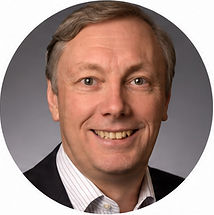
Anthony Reeves PhD.
Heart Disease Prevention Program, Mary and Steve Wen Cardiovascular Division, University of California Irvine School of Medicine, CA 92697, USA
Amir Azimi MD.
Heart Disease Prevention Program, Mary and Steve Wen Cardiovascular Division, University of California Irvine School of Medicine, CA 92697, USA
Kyle Atlas
Heart Disease Prevention Program, Mary and Steve Wen Cardiovascular Division, University of California Irvine School of Medicine, CA 92697, USA
Jakob Wasserthal
Heart Disease Prevention Program, Mary and Steve Wen Cardiovascular Division, University of California Irvine School of Medicine, CA 92697, USA

Seyed Reza Mirjalili MD.
Heart Disease Prevention Program, Mary and Steve Wen Cardiovascular Division, University of California Irvine School of Medicine, CA 92697, USA
Chenyu Zhang
Heart Disease Prevention Program, Mary and Steve Wen Cardiovascular Division, University of California Irvine School of Medicine, CA 92697, USA
